Featured
Table of Contents
Navigating Financial Obligation Relief in the 2026 Financial Environment
The financial environment of 2026 presents unique difficulties for homes throughout the local community. While inflation has slowed compared to previous years, the cumulative expense of living remains high, and numerous consumers discover themselves handling multiple high-interest credit limit. Credit counseling has actually become a primary method for handling this pressure, providing a structured course for those who feel overwhelmed by monthly responsibilities. These services, frequently supplied by 501(c)(3) not-for-profit firms, focus on education and debt restructuring rather than high-risk lending or aggressive settlement strategies.
Professional insights into Financial Literacy offer a foundation for long-term stability by helping individuals comprehend the origin of their financial obligation. In the present year, the shift towards digital wallets and automated subscription designs has made it simpler for little expenses to build up undetected. A credit therapist acts as an objective 3rd party, reviewing every aspect of a financial profile to produce a sustainable budget. This procedure is especially beneficial for citizens in the surrounding region who are attempting to balance real estate costs with customer debt repayment.
The Advantages of Nonprofit Credit Therapy
Among the most considerable benefits of dealing with a reliable firm is access to a debt management program. This program consolidates different unsecured financial obligations-- such as credit cards and personal loans-- into a single monthly payment. Rather of tracking several due dates and varying interest rates, the customer makes one payment to the agency, which then disperses the funds to lenders. Due to the fact that these companies maintain long-standing partnerships with monetary institutions, they can typically negotiate substantially lower rate of interest. It is not unusual for rates to be minimized from 25 percent or greater down to a single-digit percentage, which allows more of the monthly payment to go towards the primary balance.
Another advantage includes the instructional element. Unlike financial obligation settlement business that may motivate individuals to stop paying their expenses, credit counseling firms concentrate on financial literacy. They offer tools for mastering a spending plan in the 2026 economy, concentrating on modern costs like tiered digital services and high-cost utility spikes. For those dealing with real estate unpredictability, numerous agencies also use HUD-approved real estate therapy. This is a critical resource for families in the United States who are navigating the intricacies of the current mortgage market or looking for support with foreclosure avoidance.
Moreover, the status of the firm supplies a layer of security. Utilizing a U.S. Department of Justice-approved company makes sure that the organization fulfills stringent federal guidelines for pre-bankruptcy counseling and pre-discharge debtor education. This accreditation is a trademark of transparency, indicating that the firm runs with the very best interest of the consumer in mind instead of seeking high costs for earnings.
Potential Downsides and Factors To Consider
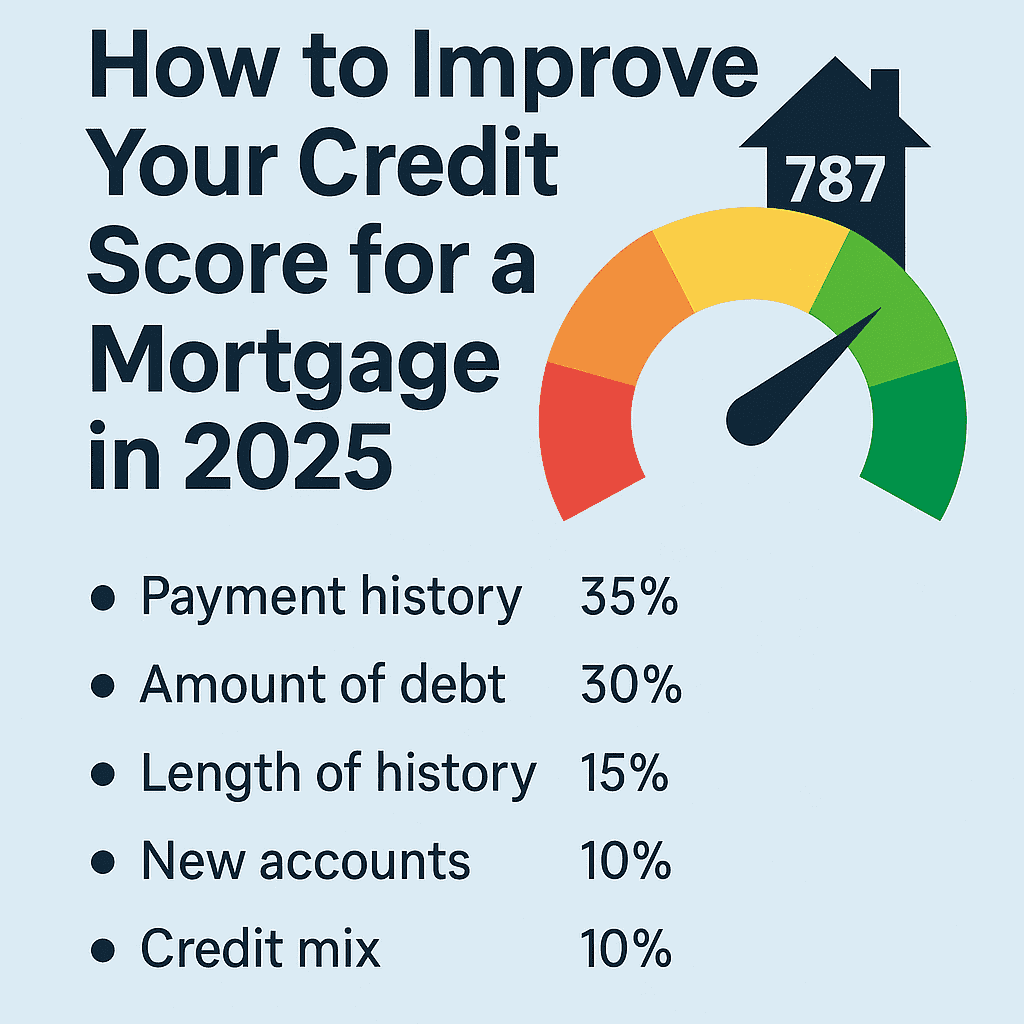
While the advantages are significant, credit therapy is not a one-size-fits-all option. One of the primary downsides is the effect on instant credit access. When an individual goes into a financial obligation management program, they are generally needed to close the charge card accounts included in the strategy. This is an essential step to avoid more financial obligation build-up, however it can cause a short-term dip in a credit report because the average age of accounts reduces and the total readily available credit drops. For somebody in a nearby area planning to get a significant loan in the next six months, this timing needs cautious factor to consider.
Professional Financial Education Resources stays a primary resource for households managing high-interest debt, however users must dedicate to a timeline of three to five years. This is not a quick fix. It requires disciplined adherence to a budget plan and the capability to live without new credit for the duration of the program. Additionally, while the program itself does not cause the long-lasting damage associated with personal bankruptcy, some lending institutions might see a notation of "individual in a financial obligation management strategy" on a credit report with care, although this understanding has actually enhanced in the last few years as more creditors recognize the duty shown by completing such a program.
Mastering a Spending plan in 2026

The 2026 economy demands more than just traditional bookkeeping. With the prevalence of gig-economy income and varying energy expenses, a static budget plan frequently fails within months. Experts recommend a "buffer-first" method, where individuals prioritize a little emergency fund even while paying for debt. Credit therapists help participants identify "concealed" expenditures-- those little, repeating digital payments that frequently evade manual tracking. By utilizing contemporary monetary tools and individualized suggestions, customers can gain back control over their money circulation.
Lots of people looking for Financial Education near Hartford discover that structured programs offer the best outcomes for long-term behavior change. Restoring credit after a period of monetary distress involves more than simply paying bills; it needs a tactical technique to credit usage and payment history. Counseling firms supply a roadmap for this process, typically continuing to provide assistance and education long after the debt management strategy is complete. This continuous relationship assists ensure that the routines formed during the program result in a life time of financial health.
Choosing the Right Agency for Your Needs
When selecting a service company, the nonprofit classification is necessary. A 501(c)(3) status suggests that the company has a mission-driven concentrate on neighborhood service. It is also a good idea to search for firms that run nationwide but have regional ties. Lots of companies partner with community groups and regional nonprofits to supply geo-specific services tailored to the financial realities of specific local markets. These partnerships enable a deeper understanding of regional cost-of-living modifications and local resources that might be offered to the customer.
Potential customers ought to inquire about the certification of the private therapists. A certified therapist should be separately accredited and capable of going over a vast array of subjects, from standard budgeting to the intricacies of pre-bankruptcy requirements. Transparency relating to charges is another trademark of a credible firm; while there are little monthly administrative costs for managing a debt program, the initial therapy session should be totally free or really low-cost.
The Path Forward in a Digital Economy
As we move through 2026, the intersection of technology and personal financing will just become more complicated. Credit counseling provides a human aspect in a progressively automatic world. By combining data-driven budgeting with professional negotiation, these services assist bridge the gap in between financial crisis and stability. Whether an individual is handling the aftermath of a medical emergency, job loss, or merely the cumulative weight of high-interest credit cards, the resources offered by a not-for-profit firm can make a substantial difference.
Eventually, the decision to seek help is a proactive step toward monetary independence. By weighing the immediate limitations on brand-new credit versus the long-lasting benefit of decreased rates of interest and debt removal, homeowners of the local community can make an educated choice. The goal is not simply to settle what is owed, however to develop a structure that avoids future financial obligation from becoming unmanageable.

Table of Contents
Latest Posts
The Life-span of Insolvency on a 2026 Credit Report
Managing Family Financial Resources After a Significant Financial Obligation Settlement
Why 2026 Personal Bankruptcy Code Updates Benefit the Debtor
More
Latest Posts
The Life-span of Insolvency on a 2026 Credit Report
Managing Family Financial Resources After a Significant Financial Obligation Settlement
Why 2026 Personal Bankruptcy Code Updates Benefit the Debtor